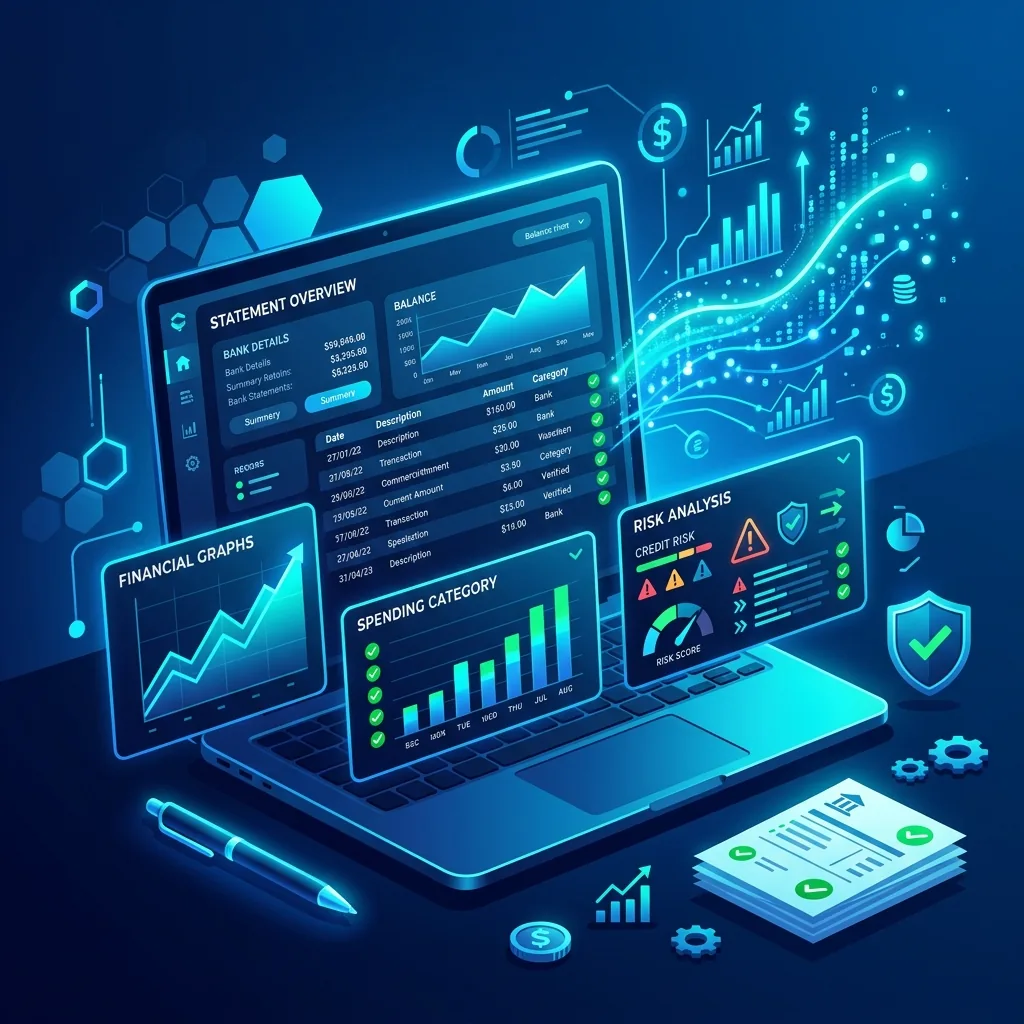
In modern retail and corporate lending, speed is the ultimate competitive advantage. Loan origination and credit underwriting pipelines that require days of manual document auditing inevitably suffer from high borrower drop-off rates and lost business. Accelerating Turnaround Time (TAT) without compromising risk management is the primary goal of digital-first credit teams.
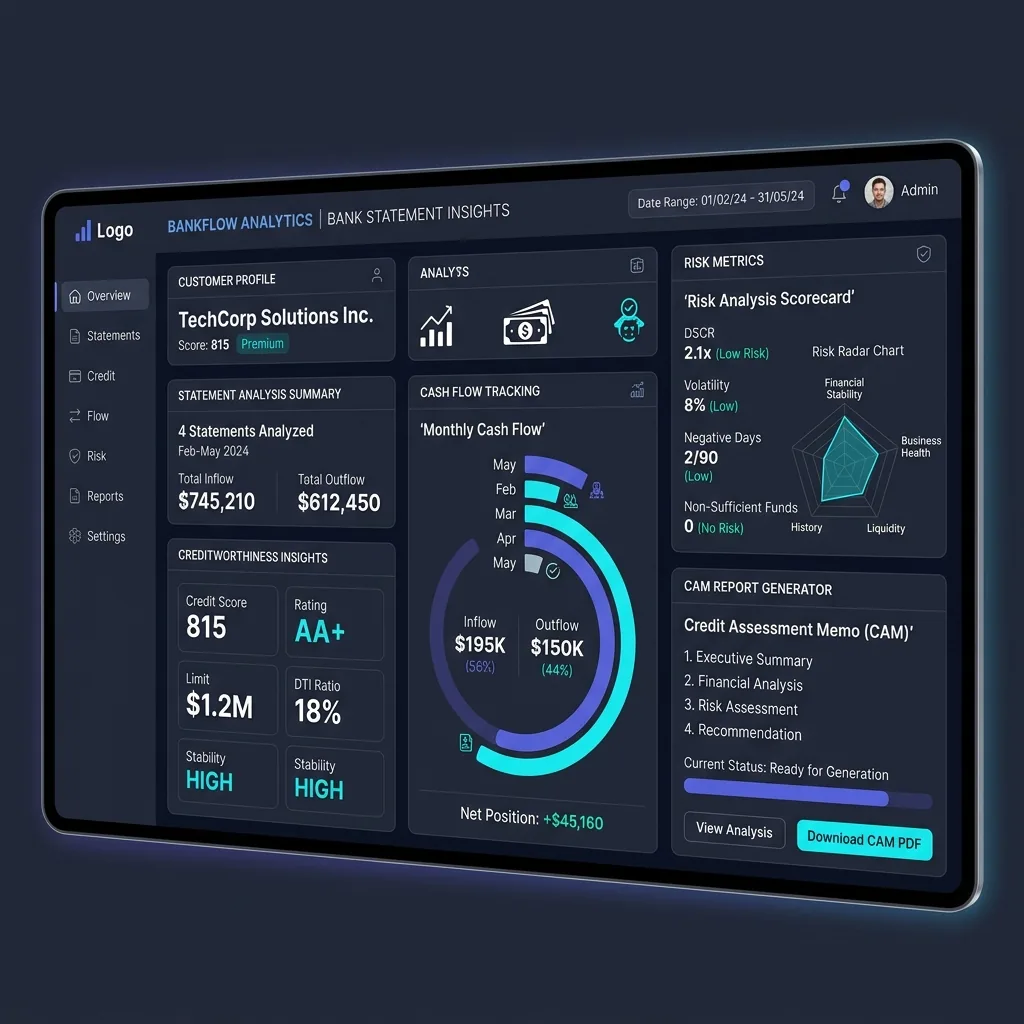
The biggest bottleneck in any lending pipeline lies in the manual inspection and processing of financial documents—primarily bank statements. Traditional credit checks require underwriters to pore over dozens of pages of transactions, calculate historical averages, and scan manually for anomalies. By implementing automated bank statement analysis software, lenders can optimize their underwriting pipeline and compress credit check processes from hours to under two minutes.
Identifying Bottlenecks in the Lending Pipeline
An optimized credit pipeline moves a borrower seamlessly from application to approval. However, several structural hurdles commonly delay this flow:
- 1. Document Extraction Delays: Underwriters receive bank statements in native PDFs, scanned PDFs, or mobile photos. Standardizing these layouts manually is a slow, error-prone task.
- 2. Cash Flow & Income Verification: Manually identifying recurring salary credits, business inflows, or calculating average monthly balances (AMB) requires significant cognitive effort and spreadsheet time.
- 3. Undeclared Liability Checks: Spotting ongoing EMIs, overdraft activity, or undisclosed loans across several statement files often relies on the credit manager's detective skills, creating checking backlogs.
- 4. Financial Fraud Auditing: Reviewing statements for signs of circular trading, round-tripping of funds, or edited/manipulated transaction amounts manually is highly unreliable.
Strategies to Optimize and Streamline Underwriting
To scale loan volumes, financial institutions must automate the repetitive analysis steps in their pipelines. Here are three key strategies to achieve automated pipeline flow:
Digital Consent Verification: Utilizing consent-first sharing mechanisms, such as the Account Aggregator (AA) network, ensures immediate, clean data delivery to the underwriting team, bypassing document uploads entirely.
Instant Document Parsing: For files uploaded manually, deploying OCR engines optimized for financial tables extracts and structures raw transaction histories immediately.
Algorithmic Score Cards: Feeding structured transactional data into automated credit risk engines produces real-time scores (such as the CredTrace Score) to instantly pre-screen or approve applicants.
Conclusion
Lending pipeline optimization requires transitioning from legacy manual checks to intelligent, API-driven workflows. Implementing automated statement analysis eliminates underwriting bottlenecks, minimizes processing errors, and provides instant credit risk scores. This dual approach of speeding up turnaround times while enhancing fraud detection gives digital lenders a decisive edge in a competitive market.