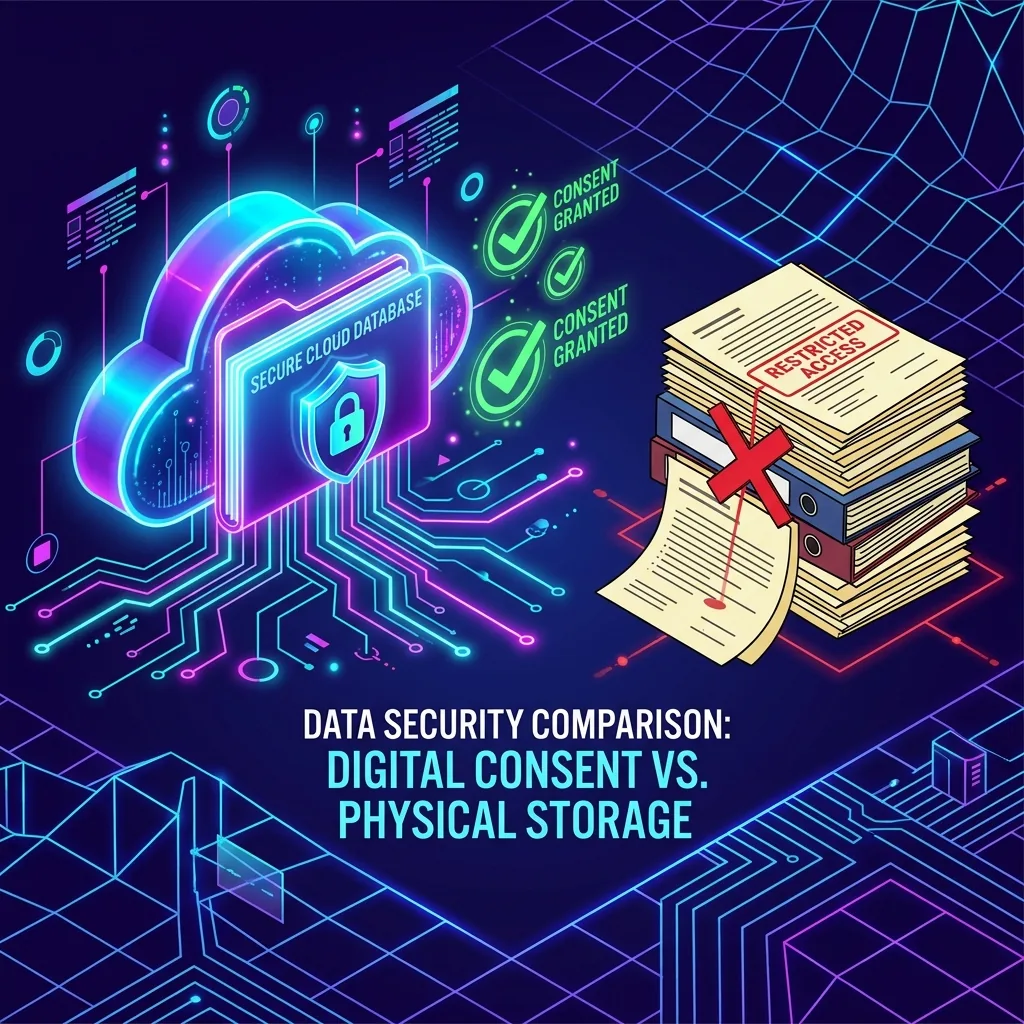
In digital lending and commercial credit assessment, the pressure to reduce loan Turnaround Time (TAT) can create a dangerous trade-off: speed versus thoroughness. As Non-Banking Financial Companies (NBFCs), fintech lenders, and banks process thousands of retail and MSME loan applications monthly, manual underwriting teams face cognitive fatigue. Underwriters reviewing multi-page PDF statements line-by-line frequently miss subtle financial anomalies.
Sophisticated bad actors and over-leveraged borrowers often exploit these human oversight gaps. However, deploying an AI-powered bank statement analyzer allows risk teams to automate early-warning detection.
Below, we outline the 7 most critical financial red flags an automated bank statement analysis engine detects in seconds before loan disbursement.
1. PDF Document Tampering and Pixel Font Anomalies
With accessible graphics software and web-based PDF editing tools, unscrupulous applicants can easily alter numbers in digital bank statements. Common tampering tactics include changing opening or closing balances, increasing salary credit amounts, or erasing negative transaction line items.
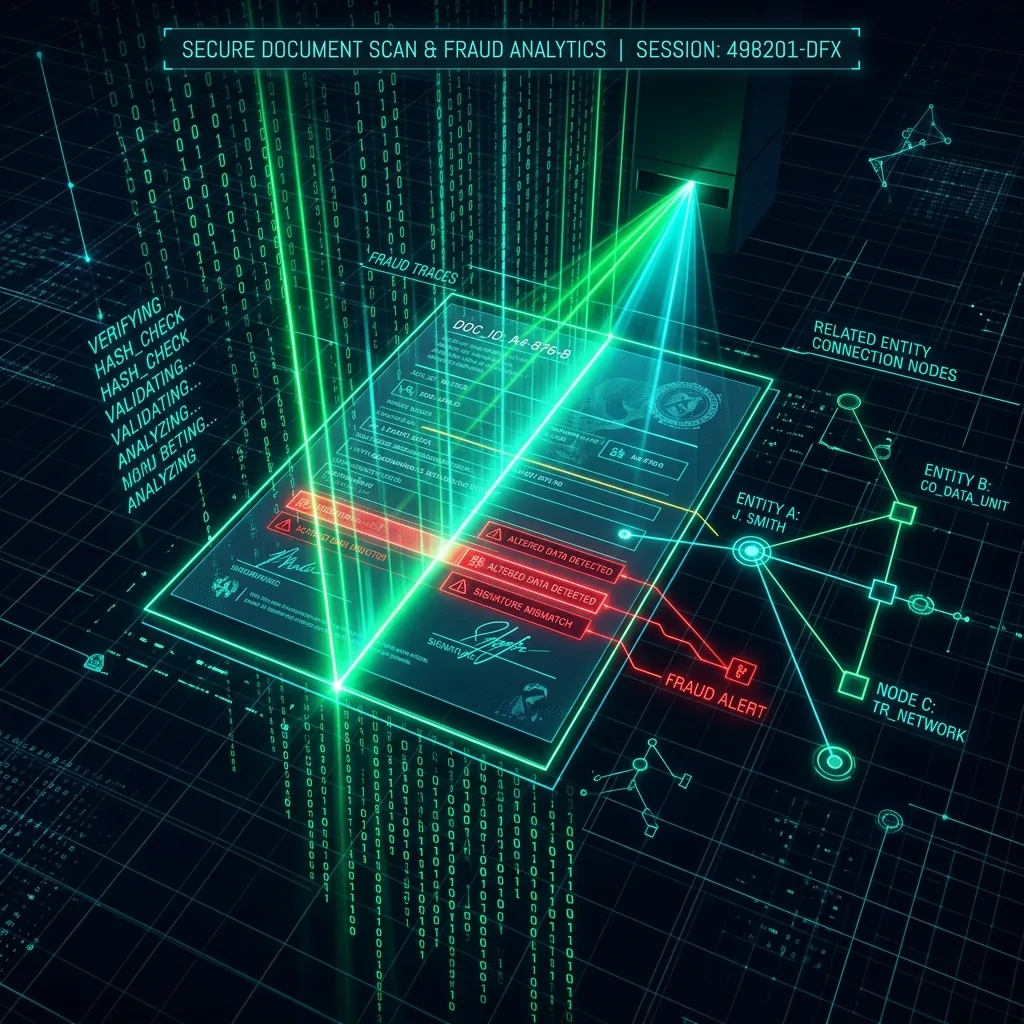
Human eyes auditing statement printouts or screen PDFs rarely spot vector layer edits. In contrast, an AI bank statement analyser runs structural verification algorithms that detect:
- ✓ Font Metadata Mismatches: Embedded font family discrepancies where edited numbers use different kerning or encoding than original bank templates.
- ✓ Mathematical Ledger Discrepancies: Inconsistencies where
Previous Balance + Credits - Debits ≠ New Running Balance. - ✓ Modification Timestamps: Software creation markers indicating files were re-saved in design tools prior to upload.
2. Undisclosed Loan EMIs and Recurring NACH Debits
Loan applicants frequently omit active personal loans, buy-now-pay-later (BNPL) obligations, or informal debt obligations on credit application forms to lower their debt-to-income ratio. Traditional credit bureau scores can suffer from reporting lag, missing loans disbursed in the previous 30 to 60 days.
An intelligent bank statement analyser parses recurring payment narrations—such as NACH, ACH, E-Mandate, or UPI recurring debits—and matches counterparty narration strings against known lending institutions. It automatically calculates the applicant's true Fixed Obligation to Income Ratio (FOIR) to prevent over-leveraging.
3. Salary Narration Spoofing & Fictitious Deposits
In retail loan underwriting, verifying salary stability is vital. However, fraud rings often simulate salary deposits by executing monthly Peer-to-Peer (P2P) transfers from personal accounts with custom UPI transfer descriptions like "Salary for June" or "Monthly Payroll".
An automated bank statement analysis platform evaluates transaction metadata beyond narration text. It verifies whether incoming funds originate from registered corporate payroll accounts, corporate banking channels (NEFT/RTGS with corporate IFSC), or unverified individual accounts.
4. Circular Transactions & Artificial Turnover Loops
For business and MSME loans, borrowers may attempt to inflate their annual revenue to qualify for higher credit limits. This is executed through circular transactions (round-tripping): transferring funds sequentially across related entity bank accounts, promoter personal accounts, and shell supplier accounts before returning the cash to the original account.
CredTrace's automated bank statement analyzer utilizes counterparty risk mapping to identify closed transaction loops, same-day matching credit/debit pairs, and artificial fund cycling designed to fake business turnover.
5. High Inward/Outward Cheque Bounces & NACH Failures
Frequent transaction rejections due to Non-Sufficient Funds (NSF) are a direct indicator of acute cash flow stress. While a single bounce in six months might be an administrative oversight, multiple bounced cheques or failed NACH auto-debits point to severe liquidity mismanagement.
Automated statement parsing isolates outward return penalties, inward cheque bounce charges, and failed mandate fees, scoring the borrower's banking discipline within the consolidated CredTrace Score.
6. Immediate Post-Deposit Cash Liquidation & Drain-Outs
Healthy personal and business bank accounts maintain a steady average daily balance (ADB). A critical red flag is a pattern where large funds are deposited into an account and immediately liquidated via cash withdrawals or high-value UPI transfers within 24 hours, leaving the account at near-zero balance for the rest of the month.
This behavior indicates that the account is merely being used as a pass-through conduit rather than a genuine operational hub. A bank statement analyser highlights minimum daily balance thresholds, cash withdrawal ratios, and balance volatility metrics automatically.
7. Dormant Account Spike & Pre-Application Activity Injections
Underwriters frequently encounter accounts that showed zero to low activity for 8 consecutive months, but suddenly exhibit high transaction velocity in the 30 days immediately preceding a loan application.
This artificial activation pattern is used to manufacture historical activity for loan approval. Automated bank statement analysis flags account velocity surges, comparing current monthly transaction counts against multi-month historical benchmarks.
Automating Forensic Underwriting with CredTrace
Spotting these 7 red flags manually requires hours of forensic effort per file, severely limiting your underwriting throughput. By integrating an enterprise automated bank statement analysis software like CredTrace into your loan origination workflow, your credit committee gains:
- ✓ Instant Fraud Alerts: Automated red flag tagging directly inside pre-populated CAM Reports.
- ✓ Sub-Minute Audit Times: Process 12-month PDF statements in under 15 seconds.
- ✓ Enhanced Risk Mitigation: Lower Non-Performing Assets (NPAs) by eliminating bad loan approvals at the top of the funnel.
Learn how to optimize your lending pipeline with automated underwriting today, or start screening borrower statements with our AI-powered bank statement analyzer.